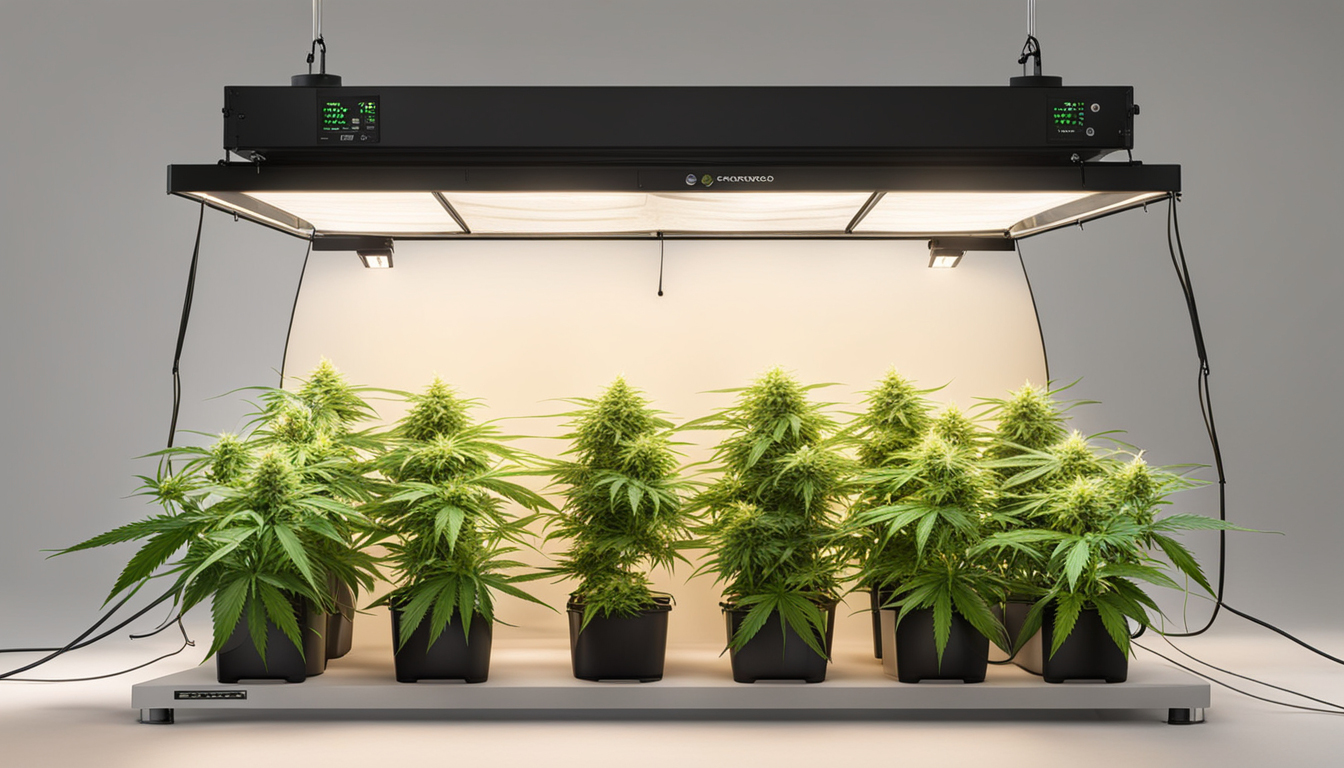
Whether you're beginning pot production or looking to improve your existing harvest, following this complete guide will help you produce big, high-quality yields right at home. With the right gear, methods, and care, cultivating pot indoors can be an extremely productive and cost-effective endeavor.
Choosing Marijuana Strains
The first step in planning your indoor harvest is choosing the right marijuana varieties to cultivate. The three main types of pot plants each have their own qualities.
Sativas
Known for their energizing cerebral effects, these strains spread tall and slender with narrow leaves. They thrive in warmer tropical climates and have a longer blooming time between 10-12 weeks indoors. Top sativa varieties include Jack Herer, Durban Poison, Super Lemon Haze, and Jack Herer.
Indicas
Indicas provide relaxing body-focused effects and spread short and bushy with broad leaves. Accustomed to colder mountain climates, they flower faster within 2-2.25 months. Popular relaxing strains include Northern Lights, Bubba Kush, and Bubba Kush.
Mixed strains
Hybrid varieties mix traits from both sativas and relaxing strains. They offer combined effects and have moderate blooming periods around 9-10 weeks. Popular mixes are OG Kush, Girl Scout Cookies, and Blue Dream.
Setting Up Your Cultivation Space
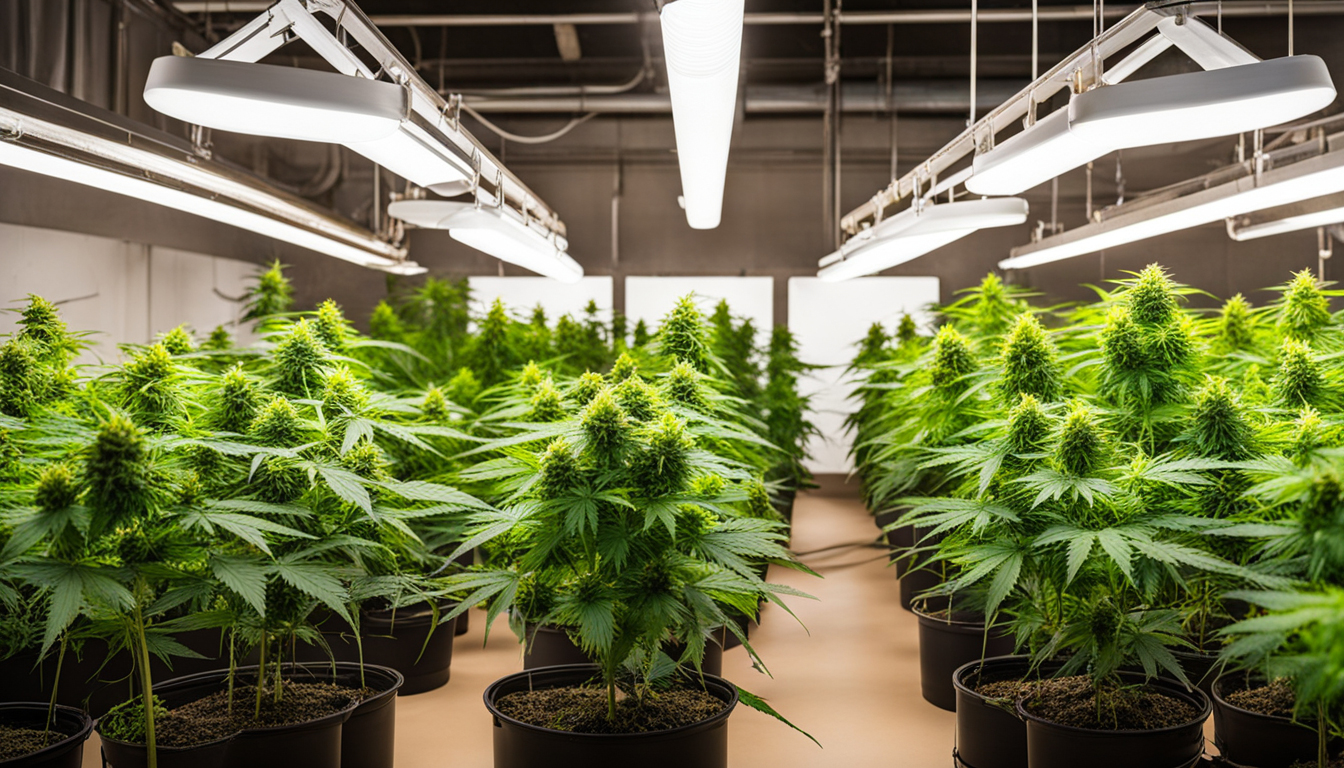
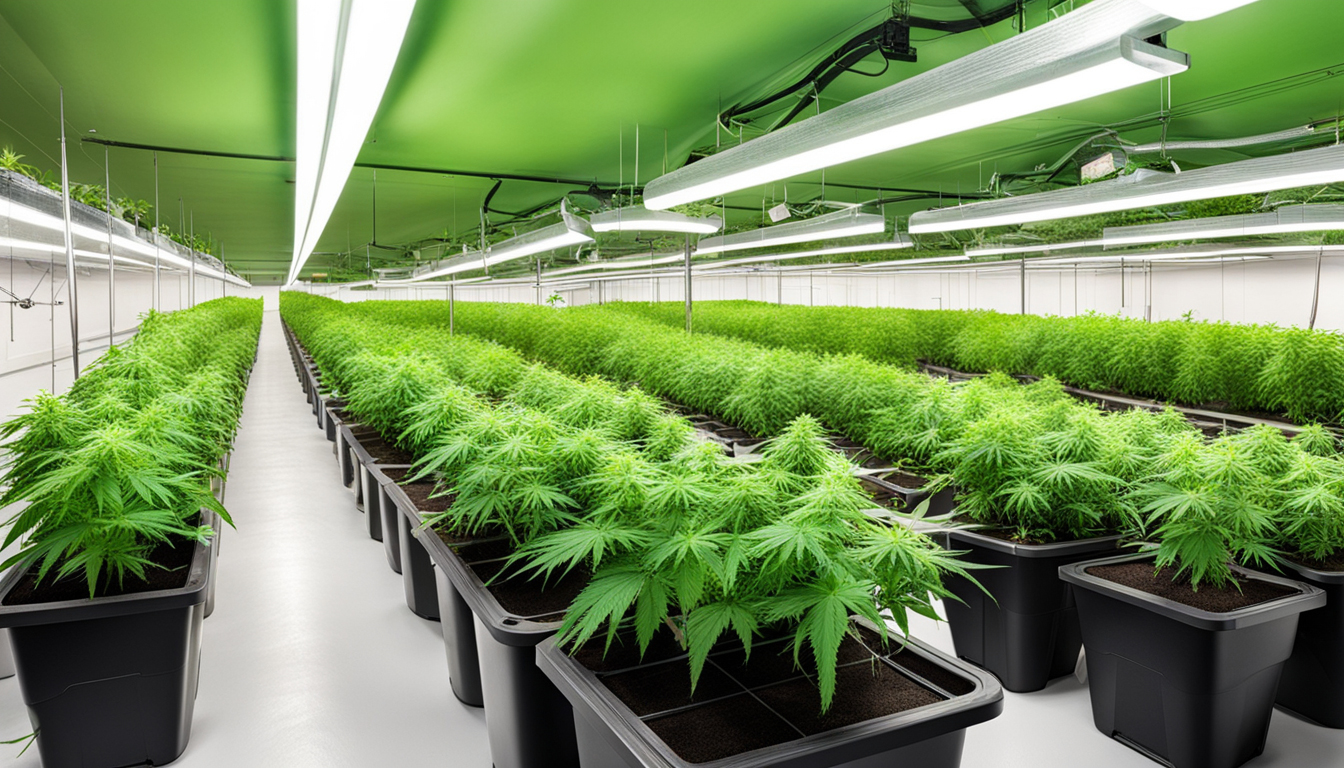
Weed plants need the right controlled environment to succeed. Key factors for indoor grows are lights, ventilation, layout, and finding the ideal discreet spot.
Location
Choose an unused space with quick access to irrigation and electrical outlets. An empty extra bedroom, unused closet, basement corner, or cultivation tent locked away in a garage all make great hidden grow room spots.
Lighting
Pot requires intense light for all growth stages. LED grow lights are efficient and come in full spectrum options simulating natural sunlight. Provide 15-25 watts per square foot for the growth stage and 20-40 watts per square foot for bloom.
Ventilation
Proper airflow and exhaust systems keep ideal temperature, humidity, and pure CO2 levels. Install silent 10-15 cm fans or scrubbers to circulate stale air and reduce smells.
Layout
Maximize your space by arranging plants carefully under the lights and leaving room to reach and work around them. Set up separate zones for vegetation, bloom, curing, and cloning.
Cultivation Substrates
Cannabis can be grown in different mediums, each with pros and cons. Pick a proper option for your particular setup and growing style.
Soil
The classic medium, soil is cheap and easy for beginners. It provides excellent taste but needs more irrigation and nutrients to feed plants. Enrich soil with vermiculite or coir to enhance aeration.
Coco Coir
Made from coconut husks, reusable coco coir retains water but still allows air to the roots. It's cleaner and more predictable than soil. Use coco-specific fertilizers to prevent accumulation.
Water systems
In water systems, plant roots develop right in fertilizer irrigation solution. This enables quick development but needs careful observation of water chemistry. Deep water culture and drip systems are common techniques.
Germinating Seeds
Germination activates your weed seeds to begin sprouting taproots. This prepares them for planting into their growing medium.
Paper Towel Method
Place seeds between damp paper towels and keep them damp. Inspect after a week for growing radicles showing germination is complete.
Direct Planting
Plant seeds directly into pre-moistened growing medium 1⁄4 inch deep. Gently water and wait 7-14 days until seedlings break through the top.
Cubic rockwool
Presoak rockwool cubes in pH-adjusted water. Insert seeds 1⁄4 inch deep into the cubes. Keep cubes moist until seedlings emerge within a week to 2 weeks.
Repotting Young plants
Once germinated, marijuana seedlings need to be transplanted to avoid crowding. Move them into proper sized pots.
Preparing Containers
Fill final containers with cultivation medium enriched with slow-release nutrients. Allow pots to soak up water for 8-12 hours before repotting.
Gently repotting
Gently separate seedling roots from sprouting medium using a spade. Place Click Here into prepared pot at equal depth as before and lightly water in.
Vegetative Stage
The vegetative stage encourages foliage and plant structure through 18-24 hours of continual lighting exposure. This stage usually lasts 4-8 weeks.
Using 3/4 to full day of Light
Use grow lights on a 24 daily schedule or natural sunlight to trigger constant growth. Lamp intensity influences size and node distance.
Nutrients
Use vegetative stage nutrients richer in nitrogen. Make sure pH stays around 5.8-6.3 for full nutrient uptake. Fertilize 1⁄4 to 1⁄2 strength after 14 days and increase gradually.
LST and topping
Topping, low stress training, and trellising direct growth shapes for flat foliage. This increases yields.
Bloom Stage
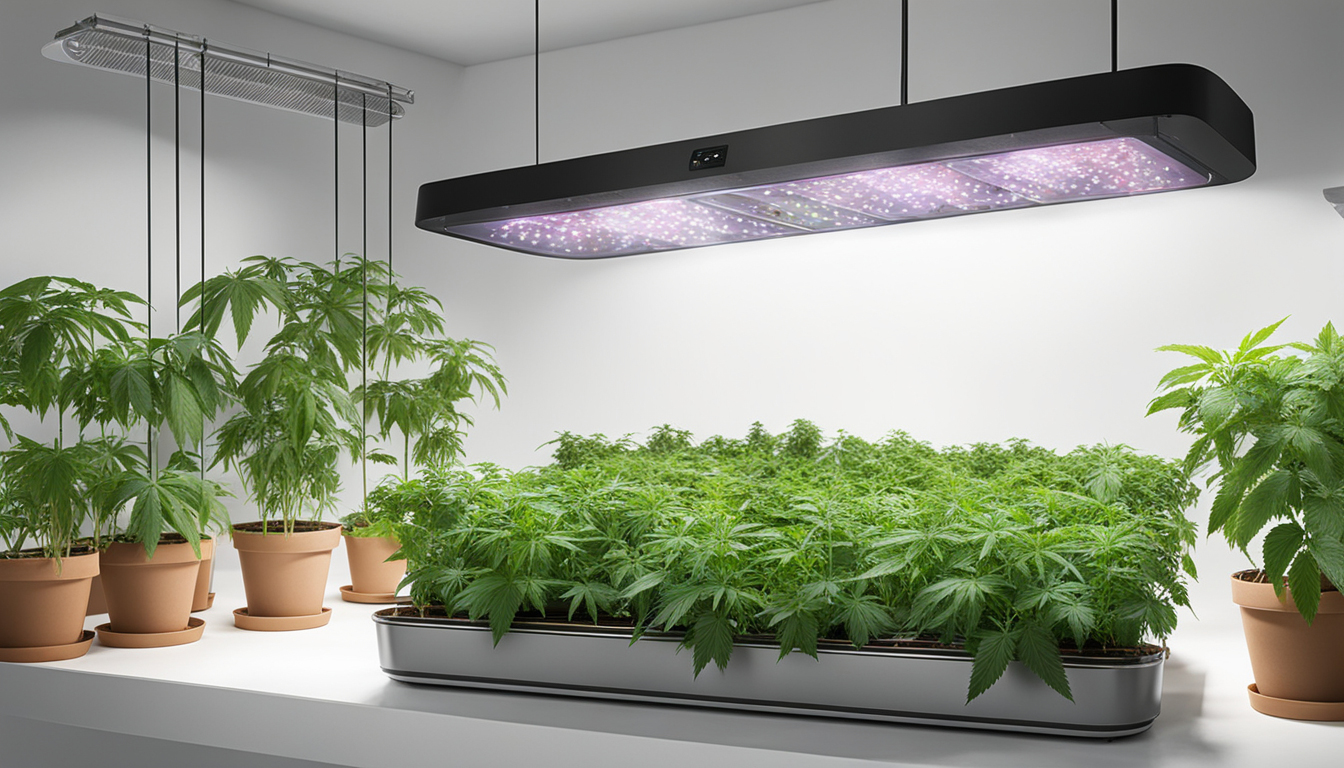
The blooming stage develops buds as plants reveal their sex under a 12/12 cycle schedule. It lasts 2-3 months depending on variety.
Changing Light Schedule
Change grow lights to 12/12 or move outside for natural 12/12 timing. This triggers plants to start blooming.
Stop Fertilizing
Leaching removes fertilizer residuals to enhance flavor. Feed weakly the first weeks then just use pH'd water the last 2 weeks.
Flushing
Continue 12 hour photoperiod but flush using neutral pH water only. Resume plain watering if buds aren't yet mature after two weeks.
Reaping
Recognizing when weed is completely mature ensures peak potency and aroma. Harvest plants at optimal ripeness.
Identifying Ripeness
Check swollen calyxes, faded pistils, and 10-15% cloudy trichs. Check buds across the plant as they won't all ripen evenly.
Cutting Plants
Use sterilized, razor-sharp pruning shears to gently slice each plant at the base. Keep 5-10cm of stem attached.
Drying
Suspend whole plants or branches inverted in a lightless room with average temperature and RH around 50-60% for 7-14 days.
Aging
Aging continues drying while improving the buds like fine wine. This process mellows bitterness and further develops cannabinoid contents.
Curing containers
Trim dried buds from branches and store into glass jars, filling about 75% capacity. Use a sensor to measure container moisture.
Burping Daily
Open containers for a short time daily to slowly lower moisture. Rehydrate buds if humidity drops below 55%.
Final Cure
After 14-21 days when moisture stabilizes around 55-65%, perform a last manicure and keep long-term in sealed jars.
Common Problems and Solutions
Even seasoned cultivators run into different cannabis plant problems. Identify problems soon and fix them correctly to maintain a healthy garden.
Nutrient Deficiencies
Chlorosis often indicate insufficient nitrogen. Purpling stems and leaves show low phosphorus. Test pH and boost fertilizers gradually.
Pests
Spider mites, fungus gnats, thrips, and nematodes are frequent pot pests. Use organic sprays, predator bugs, and sticky traps for natural control.
Mold
High humidity encourages botrytis and root rot. Increase circulation and venting while reducing humidity below 50% during flowering.
Conclusion
With this complete indoor weed cultivation guide, you now have the knowledge to cultivate plentiful potent buds for private grows. Apply these steps and techniques throughout the seed starting, growth, and bloom stages. Spend in quality equipment and carefully check on your plants. In time, you'll be compensated with sticky aromatic buds you grew yourself under the loving care of your green hands. Good luck cultivating!